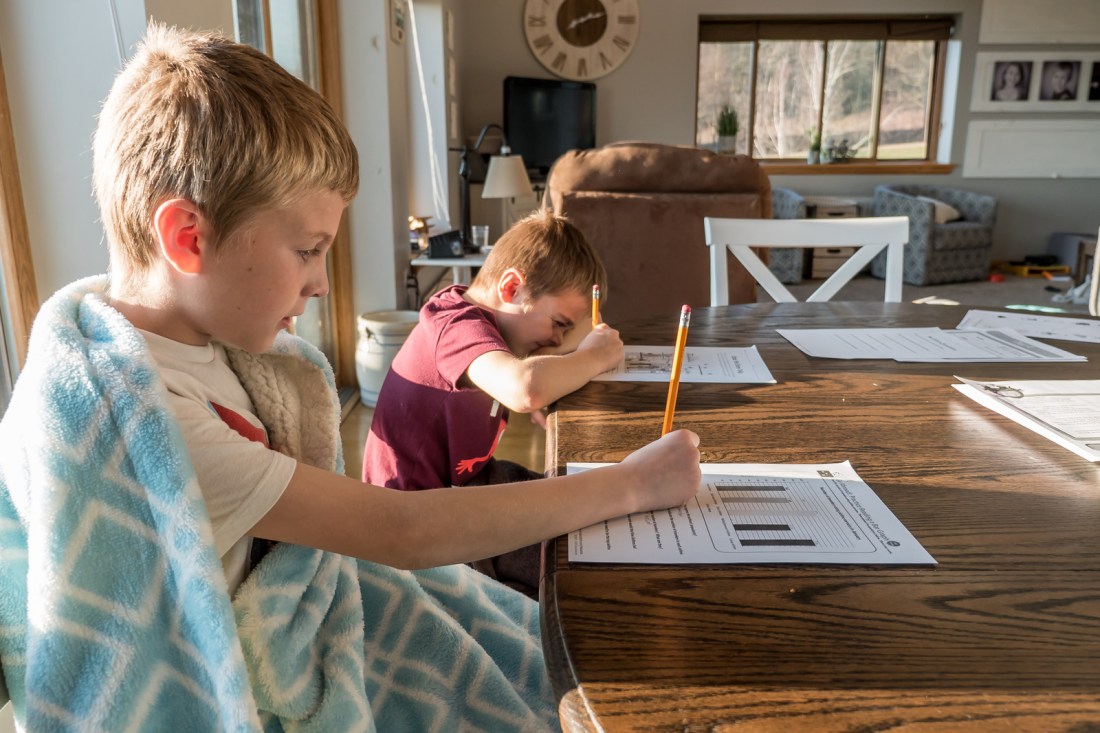
Home Working and Home Schooling

Home working can be tough. Home schooling can be difficult. So, as many parents will have found out over recent months, combining the two is extremely challenging. 

And with many schoolchildren in the UK likely to return to school on a part-time basis, learning at home seems set to continue for some time to come. 

Every parent’s homelife and family circumstances are different, so there are no hard and fast rules when it comes to striking a balance between carrying out your job and ensuring that your child’s educational needs are met. 

However, the following tips will hopefully help you and your little ones thrive in the weeks and months ahead. Obviously, the effectiveness of this advice will depend on factors including the type of job, the age and number of children and the amount of space you have at home. 

Talk to your Employer 

If having the kids at home impacts on one or more aspects of your job, then speak to someone within your organisation. Be honest about any issues you face and together, you can work to resolve them.  

This could include a change to your working hours or a colleague taking on some tasks for you. 

Plan your day 

It’s important to structure your day in a way that allows you to focus on what you’re doing but also helps you to meet your parental responsibilities. 

If your role has the flexibility to allow you to carry out pieces of work when it suits, then do it. Start early while the children are asleep or work late after they’ve gone to bed. Also, use breaks to check in with the kids or help with schoolwork. 

Set Boundaries 

Regardless of how much you love spending time with your kids, there are times when you need to detach yourself from the rest of the family. If you’re answering customer phone calls, painting pictures or handling legal documents then you need to ensure that the little ones steer clear. 

Set clear rules such as making a room a ‘no-go’ area or make sure they know that your laptop, workstation and anything else work related are off limits. 

Include the Kids 

If warning them off isn’t the right approach for your kids, then get them involved. Set them mini tasks linked to your job or, if they’re old enough, let them help for real. 

Ask them for ideas or opinions, show them how spreadsheets work or let them act as your assistant. And if you can link any of it to what they’re learning at school then that’s a bonus. 

Be Flexible 

No matter how much you plan to be the perfect employee and home teacher there will still be tears, tantrums, bickering, spilled juice and messy rooms…and that’s just you. 

Be ready to deal with any issues that arise during the day and amend your working day accordingly. Some days will be better than others but you’ll get there. 

The Work from Home Revolution

Millions of people who hadn’t worked from home pre-lockdown now understand what all the fuss was about. Rolling out of bed five minutes before your start time, logging in to a laptop while still wearing pyjamas and comfortable in the knowledge that you will do a day’s work without going beyond your own four walls.

And it looks like many of those people who have long campaigned for home working will get their wish, with some companies considering closing offices and workplaces permanently.

As well as the obvious financial savings for organisations, there are concerns that some working environments will be unsuitable due to ongoing physical distancing requirements.

But, working from home isn’t for everyone. While it will be perfect for some, it will present challenges and difficulties for others. So, for balance, here are some of potential pros and cons:

Pros of Working from Home

No commute

No travel costs and not having to spend hours on a train or bus every week is a massive bonus. It will also allow job hunters to apply for posts with companies who are based further afield.

Wear what you want

Business suits and power dressing are out, comfy clothes are in. You’ll feel more comfortable and save money on ties and shoes.

Less anxiety

When the boss has a day off everyone feels just that little bit more relaxed – so imagine that feeling every day. You can work without someone constantly looking over your shoulder and there’s the added bonus of no more workplace gossip.

More flexibility

While some jobs (e.g phone based/customer service roles) have to be carried at set times, others allow for more freedom. You can set your own hours and fit them around the other parts of your life such as exercise, kids, shopping or home improvements.

Cons of Working from Home

Less social interaction

For a variety of reasons, some people’s only real contact with the outside world is at work. Taking that away can lead to increased feelings of isolation.

No team spirit

Some people tolerate their job because they love their working team or group. If that disappears then it’s just another job, carried out by a group of people scattered across a town, a city or even further afield.

Less experience of working environment

Any graduate or school leaver who goes straight into a home-based role will miss out on the benefits of an everyday working environment. No experienced staff to learn from and reduced social development.

Can get too comfortable

There is a fine line between feeling relaxed and being ‘too relaxed’ at work. When you’re surrounded by home comforts like television, the internet, your garden or your fridge, it can be easy to take your foot off the pedal.

4 Tips for Working from Home

As coronavirus (Covid-19) has swept across the globe in recent weeks, working from home has, for millions of people, changed from being a luxury to a necessity.

For many, this will be the first time they have carried out their jobs without leaving their own four walls.

In theory, working at home should be straightforward – you’re just performing the same role in a different place. But it doesn’t always turn out that way.

So, for any first-time homeworkers, here are some tips to help you cope over the next few weeks or months:

Act Like you’re at Work 

No that doesn’t mean spending eight hours staring at a clock, nor does it involve hanging around the water cooler waiting to hear the latest gossip.

It’s more about having the right mindset and the same level professionalism you would have at your normal workplace. This could include getting dressed, setting yourself break and lunch times and having a ‘to do’ list. Having some structure to your day should help you get off to the right start.

Have Somewhere to Work

It doesn’t matter how big it small it is, or where in the house it is, but having a suitable workspace is a must.

If you’re fortunate enough to have a home office or a large dining table where you can go about your daily business then lucky you. If not, then you’ll need to be a bit more creative. A small folding table should be enough to hold a laptop, a mobile phone and a mug (for tea or coffee). So, even if your flat isn’t the biggest, then you should still have enough space to get some work done.

Avoid Distractions

Unless your normal workplace is completely silent, you should be used to a bit of background noise. In fact, a bit of music from the radio or anywhere else might even help.

However, if you live at a main road, think about working away from the window if traffic, roadworks or everyday life are off-putting. Likewise, be facing away from the television and if your other half is also working at home, make sure you give each other space, particularly if either of you is speaking with customers or colleagues on the phone.

Consider the Kids

Under normal circumstances you would be able to plough on with work from 9-3 while your children were at school. But the world we are living in now is anything but normal.

While teenagers will probably be happy to be left alone with a device, don’t worry about coming away from your laptop (if your job allows) to spend time with the little ones. If that means having a long lunch, playing in the garden or watching a movie, then do it – the work will be still be there when you return.